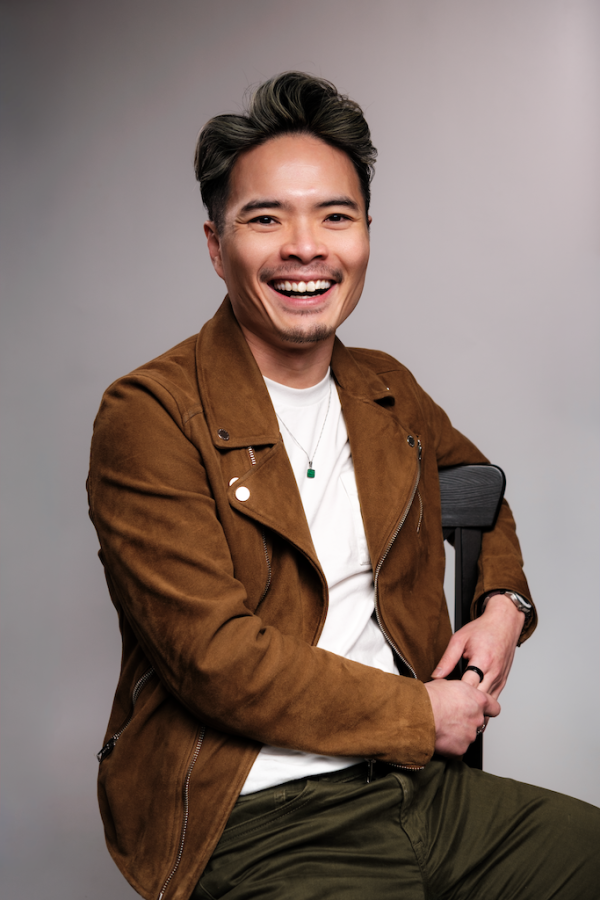
Registered Psychologist · He/Him

Therapy for deeper self-understanding, emotional clarity, and lasting change.

Providing calm, evidence-based, and relationally-grounded therapy for adolescents, adults, and older adults.

Kuan Teoh, Registered Psychologist
  • Registered with AHPRA
  • Associate Member, APS
  • Member, AAPi
  • Adolescents · Adults · Older Adults

What I Offer

How I Can Help

Mental Clarity

Mental Clarity

Understand the deep patterns shaping your thoughts, emotions, and behaviours.

Emotional Wellbeing

Develop a healthier, more compassionate relationship with your emotional world.

Relational Support

Build a trusting therapeutic relationship that itself becomes a vehicle for healing.

Lasting Change

Lasting Change

Move beyond temporary relief toward deep, embodied, and sustainable change.

What I Work With

Areas I Commonly Help With

Therapy can support you through a wide range of challenges. You don't need a diagnosis or a clear label — if something feels off, that's enough of a reason to reach out.

  • Anxiety, depression, and overwhelming emotions
  • Complex trauma and PTSD
  • Difficult relationship patterns
  • A harsh inner critic and feelings of inadequacy
  • Identity uncertainty and disconnection
  • Emotional dysregulation and rejection sensitivity
  • LGBTQIA+ and neurodivergent identity and belonging
  • Life transitions and existential stress
See All Areas of Focus
"Therapy is not about fixing something broken. It is about understanding yourself more fully — and discovering that you have more capacity than you realised."
— Kuan Teoh

About Kuan

A Different Kind of Therapy

I believe therapy is a collaborative process where you are seen, heard, and respected without judgment. My practice is built on creating a safe space for exploration and healing, integrating modern psychological insights with a deep relational focus.

By combining evidence-based modalities with genuine connection, we can address the root causes of distress and empower you to live a more authentic and fulfilling life.

LGBTQIA+ Affirming Neurodivergence Affirming Culturally Sensitive
More About Kuan

Ready to take the first step?

Whether you're seeking support for a specific challenge or a deeper understanding of yourself, I'm here to help. Reach out to schedule an initial consultation.

Make an Enquiry

My Philosophy

My Approach to Therapy

My name is Kuan Teoh (He/Him), and I am a Registered Psychologist with a deep commitment to helping individuals understand and change the patterns that hold them back. I see therapy as a fundamentally collaborative process — you are the expert on your own life; my role is to provide the framework, tools, and relational support to help you connect with your own capacity for healing and growth.

My work is built on the belief that insight alone is often not enough. We can know something intellectually, but still feel stuck emotionally. Therefore, my approach focuses on integrating cognitive understanding with emotional and somatic processing — allowing for a deeper, more embodied change to occur.

LGBTQIA+ Affirming Neurodivergence Affirming Culturally Sensitive

What I Stand For

My Commitment to You

Affirming & Inclusive Practice

My practice is explicitly welcoming to LGBTQIA+ individuals and those who identify as neurodivergent. We work in a way that respects and honours your unique identity and lived experience.

Culturally-Sensitive & Relationally-Grounded

With a background spanning multiple cultures, I am acutely aware of the impact that cultural context, migration, and systemic factors have on individual wellbeing. I bring this awareness into every session.

Collaborative & Non-Judgmental

I believe the therapeutic relationship itself is a vehicle for healing. I work alongside you as a collaborative partner — not as an authority telling you what to do.

Training & Registration

Qualifications & Professional Affiliations

My training spans both psychology and applied fields, giving me a broad foundation for understanding human behaviour in both clinical and everyday contexts.

EducationBSc (Hons) Psychology — Middlesex University
EducationMSc Business Psychology — University of Westminster
RegistrationRegistered Psychologist — AHPRA
MembershipAssociate Member — Australian Psychological Society (APS)
MembershipMember — Australian Association of Psychologists Inc (AAPi)
"I came to psychology because I believe people are capable of far more than they often give themselves credit for. My job is to help you access that capacity."
— Kuan Teoh

Ready to begin?

I'd love to hear from you. Reach out to schedule a brief, complimentary phone call.

Make an Enquiry

Is This Right for You?

Finding the right fit

The concerns listed below are areas I have specific training and experience in. That said, this list is not exhaustive. Many people come to therapy without a clear label for what they're experiencing — and that is completely fine.

If you're unsure whether I can help with your specific situation, I encourage you to reach out. We can discuss your needs in a brief, no-obligation phone call before you commit to anything.

Make an Enquiry
A warm and welcoming therapy practice room

Common Presentations

Areas I Commonly Work With

Anxiety is one of the most common reasons people seek therapy. It can manifest as persistent worry, panic attacks, social anxiety, health anxiety, or a general sense of dread that is difficult to shake. In therapy, we work to understand the root of your anxiety — including the early experiences and beliefs that may be driving it — and develop practical, evidence-based strategies to reduce its intensity and impact.

Depression is more than feeling sad. It can involve a pervasive sense of emptiness, loss of motivation, difficulty experiencing pleasure, and a critical inner voice that reinforces feelings of worthlessness. Therapy addresses not only the symptoms, but also the underlying patterns — such as unmet emotional needs or unresolved grief — that maintain the depressive cycle.

Trauma can arise from a single overwhelming event or from prolonged exposure to difficult circumstances — such as childhood neglect or abuse, domestic violence, or chronic emotional invalidation. My approach to trauma is paced, collaborative, and grounded in safety. We work at a pace that feels manageable for you, building the internal resources needed to process difficult experiences without becoming overwhelmed.

Many of the patterns that cause us difficulty in adult relationships have their roots in early attachment experiences. You might find yourself repeatedly drawn to relationships that feel familiar but ultimately painful, or struggling with intimacy and trust. Therapy can help you understand your relational patterns and develop more secure, nourishing connections.

A harsh inner critic can be exhausting and demoralising. It often develops as a way of coping with early experiences of criticism or high expectations — but over time, it becomes a significant obstacle to wellbeing and self-compassion. In therapy, we work to understand where this critical voice came from, challenge its distorted messages, and cultivate a more balanced relationship with yourself.

Questions of identity — who you are, what you value, where you belong — can be a source of profound confusion and distress. This is particularly common for individuals navigating cultural identity, sexuality, gender, neurodivergence, or significant life transitions. Therapy offers a space to explore these questions with curiosity and without judgment.

If you find that your emotions feel overwhelming, unpredictable, or difficult to manage — or that you are particularly sensitive to perceived rejection — you are not alone. These experiences are often linked to early attachment disruptions or neurodivergent traits. Therapy can help you develop greater emotional awareness and regulation skills.

My practice is explicitly affirming of LGBTQIA+ individuals. Whether you are exploring your identity, processing the impact of discrimination, navigating coming out, or simply seeking a therapist who will not make assumptions about your experience — you are welcome here. I understand that many difficulties experienced by LGBTQIA+ people are a response to minority stress and stigma, not inherent to their identity.

Receiving a late diagnosis of ADHD, autism, or another neurodivergent condition can be both a relief and a source of grief. I work with neurodivergent individuals in a way that is affirming of their neurotype and focused on their specific needs and goals — including processing a late diagnosis, managing co-occurring anxiety or depression, and building a more compassionate understanding of yourself.

Major life transitions — career changes, relationship breakdowns, migration, bereavement, or the transition into adulthood — can destabilise our sense of identity and meaning. Therapy can provide a grounded space to navigate these transitions, process the losses they involve, and find a renewed sense of direction and purpose.

Not sure if this is the right fit?

Reach out and we can have a brief, no-obligation phone call to discuss your needs and whether we might work well together.

Make an Enquiry

My Philosophy

A Grounded, Collaborative Approach

My approach to therapy is integrative, meaning I draw on a range of evidence-based modalities rather than adhering rigidly to a single model. I believe that effective therapy requires flexibility — adapting to the unique needs, history, and goals of each person.

At the core of my work is a commitment to the therapeutic relationship. Research consistently shows that the quality of the relationship between therapist and client is one of the strongest predictors of therapeutic outcome. This means that before we focus on techniques or strategies, we focus on building a safe, trusting, and collaborative space.

Evidence-Based Methods

Therapeutic Approaches I Use

Schema Therapy

An evidence-based approach that explores early life experiences and the core beliefs (schemas) they create. Particularly effective for longstanding patterns of emotional difficulty, relationship issues, and personality-related concerns. Schema Therapy integrates cognitive, behavioural, and experiential techniques to create lasting change.

Relational Therapy

Focuses on the therapeutic relationship itself as a vehicle for healing. Explores how early relational experiences shape current patterns of connecting with others. By experiencing a different kind of relationship within therapy — one characterised by safety, attunement, and respect — new relational patterns can begin to form.

Somatic & Body-Based Work

Recognises that trauma and emotion are held in the body, not just the mind. Integrates awareness of physical sensations, breath, and movement to support deeper emotional processing. This approach is particularly helpful for trauma, anxiety, and emotional dysregulation that has not responded fully to purely cognitive approaches.

Why This Works

Why These Approaches?

Each of these approaches has a strong evidence base for the concerns I commonly work with. More importantly, they share a common thread: they all take seriously the idea that lasting change requires more than intellectual understanding.

By combining different evidence-based methods, we can create a therapy plan that is both flexible and effective — addressing different aspects of your experience, from thought patterns and beliefs to emotional processing and bodily sensations. This integrative framework ensures that therapy is not a one-size-fits-all process, but a deeply personalised journey.

"The goal is not to eliminate difficult emotions, but to develop a different relationship with them — one of curiosity rather than fear."
— Kuan Teoh

Let's explore what might work for you

Every person's journey is unique. Reach out and we can discuss which approaches might be most helpful for your specific situation.

Make an Enquiry

Send an Enquiry

Your information is kept strictly confidential and will not be shared.

✅ Thank you for reaching out. Kuan will be in touch within 2 business days.

Email

kuan@kuanteoh.com.au

Phone

+61 (0)4 00 000 000

Availability

Monday – Friday, by appointment

What happens next?

  1. You submit the enquiry form.
  2. Kuan reviews your enquiry and responds within 2 business days.
  3. You schedule a brief initial consultation call to discuss your needs.

⚠️ Not a Crisis Service

If you are in immediate danger, call 000 or go to your nearest emergency department. Lifeline: 13 11 14 · Beyond Blue: 1300 22 4636.